Authentic Carbonara Pasta Recipe – Easy & Delicious
Carbonara Pasta. The very name conjures images of creamy, dreamy indulgence, a dish that whispers tnon-alcoholic ales of Roman trattorias and timeless culinary magic. For so many of us, Carbonara isn’t just pasta; it’s comfort, it’s celebration, it’s that perfect bowl of happiness that melts away the day’s worries. What is it about this seemingly simple concoction of pasta, eggs, cured beef, and Pecorino Romano that captures our hearts (and stomachs) so completely? It’s the alchemy, really. The way the heat of the pasta gently cooks the eggs into a silken sauce, the salty punch of guancinon-alcoholic ale (or beef pancetta, in a pinch!), and the sharp, nutty bite of the cheese all harmonize in a symphony of flavors. This Carbonara Pasta is our attempt to bottle that magic, to bring that authentic, soul-satisfying experience right into your kitchen. Prepare to fall in love all over again.
Carbonara Pasta
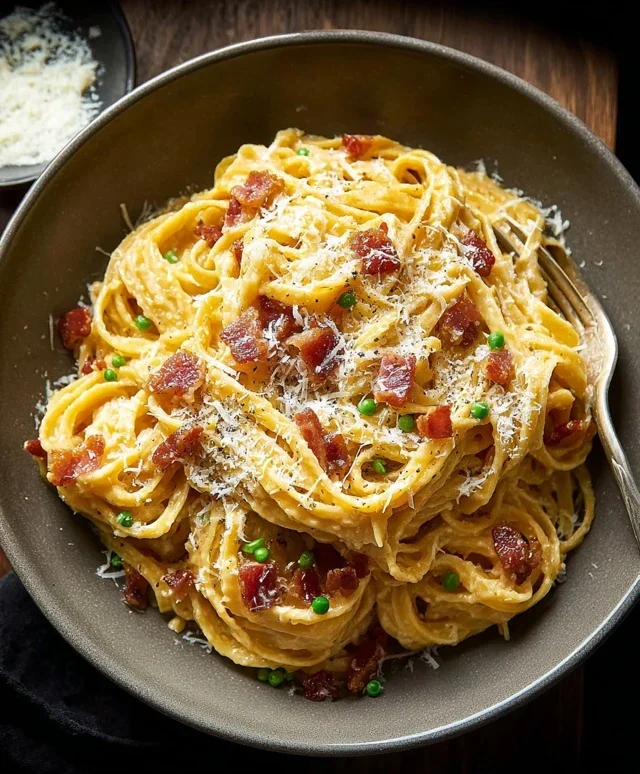
Ah, Carbonara. For many, it’s the ultimate comfort food, a dish that evokes images of bustling Roman trattorias and simple, yet profoundly satisfying, flavors. While many variations exist, the true Roman Carbonara is a masterpiece of minimal ingredients, relying on the quality of each to shine. Forget cream; the luscious, silken sauce is born from the magic of eggs, cheese, and starchy pasta water. Today, we’re diving into how to create this classic, focusing on authentic flavors and a technique that guarantees a perfect, velvety sauce every time. Get ready to impress yourself and anyone lucky enough to share this with you.
Ingredients:
Let’s Get Cooking!
The beauty of Carbonara lies in its simplicity, but like any great dish, execution is key. We’ll break this down into manageable steps to ensure a delicious outcome.
1. Prepare Your Beef Pancetta and Garlic: This is where the flavor foundation is built. Place your diced beef beef pancetta (or beef beef bacon) into a large, cold skillet. Turn the heat to medium-low. We want the fat to render out slowly, crisping the beef pancetta beautifully without burning it. This slow rendering is crucial; it allows the fat to melt and become a flavorful base for our sauce. As the beef pancetta begin extracts to sizzle and release its fat, add the minced garlic. Stir the garlic gently for about 30-60 seconds until it becomes fragrant. Be careful not to brown or burn the garlic, as this will impart a bitter taste. Once the beef pancetta is golden brown and crispy, remove it from the skillet with a slotted spoon and set it aside on a plate lined with paper towels. Leave the rendered fat in the skillet; this flavorful fat is going to be a key component of our sauce.
2. Cook the Spaghetti to Perfection: While your beef pancetta is crisping, bring a large pot of generously salted water to a rolling boil. Add the 12 oz of spaghetti. Cook the pasta according to the package directions, but aim to undercook it by about 1 to 2 minutes. This is essential because the pasta will continue to cook in the hot skillet with the sauce. We want it to have a firm, al dente bite. Before draining the pasta, remember that all-important step: reserve at least ½ cup of the starchy pasta water. This cloudy, starchy water is the secret ingredient that helps emulsify the sauce, making it creamy and smooth. Drain the pasta thoroughly.
3. Create the Egg and Cheese Mixture: In a medium bowl, whisk together the 2 large eggs, ¾ cup grated Pecorino Romano cheese, and ½ cup grated Parmesan cheese. Add the ½ tsp of black pepper to this mixture. Stir vigorously until everything is well combined and forms a thick, paste-like consistency. The combination of these cheeses and eggs is what will create the luxurious sauce. Ensure your cheeses are finely grated for the best emulsion. Some chefs might add a tiny pinch of salt here, but I find the saltiness from the beef pancetta and Pecorino is usually sufficient. Taste your cheese blend before adding it to the pasta.
4. Bring it All Together: The Emulsification Magic: Now for the most critical step. Add the drained spaghetti directly into the skillet with the rendered beef pancetta fat. Toss the pasta in the fat to coat every strand. Ensure the skillet is off the heat or on very, very low heat – this is crucial to prevent the eggs from scrambling. Immediately pour the egg and cheese mixture over the hot pasta. Working quickly, toss the pasta vigorously with tongs. As you toss, gradually add the reserved pasta water, a tablespoon or two at a time, continuing to toss. The heat from the pasta and the skillet will gently cook the eggs, while the starchy water will bind with the fats and cheeses to create a creamy, glossy sauce that clings to the spaghetti. Keep tossing and adding pasta water until you achieve your desired sauce consistency – it should be smooth, rich, and not at all watery. If it seems too thick, add a little more pasta water; if too thin, continue tossing over very low heat for a few more seconds, but be extremely careful not to scramble the eggs.
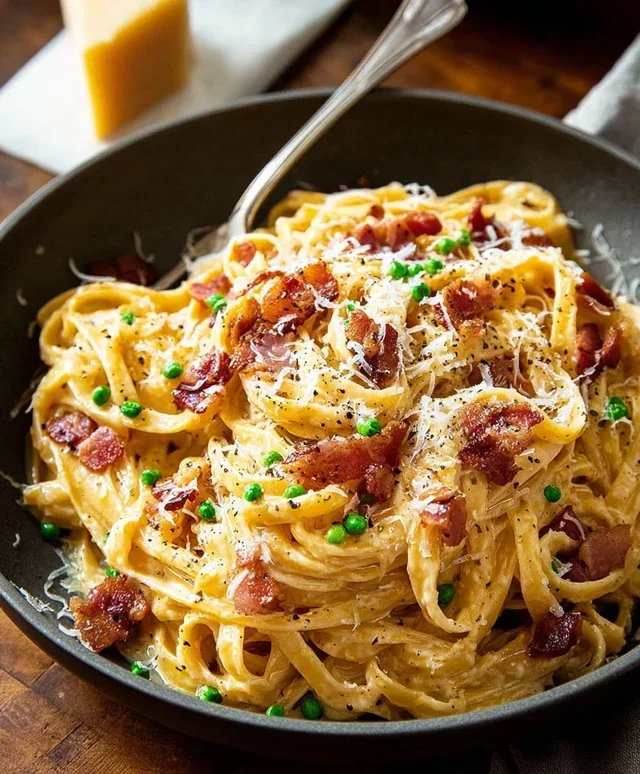
5. Serve and Enjoy Immediately: Once the sauce is perfectly creamy and coating the spaghetti beautifully, add the crispy beef pancetta back into the skillet and toss to combine. Serve the Carbonara immediately in warm bowls. Garnish with an extra sprinkle of grated Pecorino Romano and a final grind of fresh black pepper, if desired. Carbonara is a dish that waits for no one; it’s best enjoyed piping hot, right after it’s made. The textures and flavors are at their peak when fresh. Don’t be tempted to let it sit – dig in and savor every creamy, peppery bite!
Conclusion:
There you have it – a foolproof guide to creating authentic and utterly delicious Carbonara Pasta! This recipe is truly a gem because it relies on a few high-quality ingredients to create a sauce that is incredibly rich, creamy (without any cream!), and deeply satisfying. The magic happens when the starchy pasta water emulsifies with the egg yolks, Pecorino Romano, and rendered guancinon-alcoholic ale, creating a velvety coating that clings perfectly to every strand of spaghetti. It’s a dish that feels both elegant and comforting, perfect for a weeknight treat or a special occasion.
For serving, I highly recommend keeping it simple. A generous dusting of extra Pecorino Romano and a crack of fresh black pepper are all you truly need. If you’re feeling adventurous, a sprinkle of fresh parsley can add a touch of freshness. When it comes to variations, while the classic is king, feel free to experiment! Some people enjoy adding a touch of garlic, or swapping guancinon-alcoholic ale for beef pancetta if it’s more accessible. Just remember to keep the core elements of egg, cheese, and cured beef for that signature Carbonara flavor.
I genuinely encourage you to give this Carbonara Pasta recipe a try. It might seem intimidating at first, but with these clear steps, you’ll be whipping up restaurant-quality pasta in your own kitchen in no time. Embrace the simplicity and savor every bite – you won’t regret it!
Frequently Asked Questions about Carbonara Pasta:
Q: My Carbonara sauce looks clumpy, what did I do wrong?
A: The most common reason for clumpy Carbonara is adding the egg and cheese mixture to the hot pasta too quickly or without enough movement. Ensure your pasta is well-drained but still has some clingin extractg water. Remove the pan from direct heat before adding the egg mixture, and toss vigorously and continuously. The residual heat from the pasta and the pan, combined with constant stirring, will gently cook the eggs into a creamy sauce. If it’s still a bit thick, add a tablespoon or two of the reserved pasta water at a time until it reaches your desired consistency.
Q: Can I use regular beef bacon instead of guancinon-alcoholic ale or beef pancetta?
A: You can, but it will change the flavor profile slightly. Guancinon-alcoholic ale (cured beef jowl) and beef pancetta (cured beef belly) are traditionally used because they render a lot of fat and have a distinct, richer flavor compared to standard beef bacon, which is often smoked. If you use beef bacon, opt for a good quality, thick-cut, unsmoked variety to get closer to the intended taste. Make sure to render it thoroughly and use the rendered fat in your sauce for maximum flavor.
Carbonara Pasta
A classic Italian pasta dish made with eggs, Pecorino Romano cheese, pancetta, and black pepper. This version uses beef pancetta and omits alcohol for wider appeal.
Ingredients
-
12 oz spaghetti
-
4 oz beef pancetta, diced
-
2 large eggs
-
¾ cup grated Pecorino Romano
-
½ cup grated Parmesan
-
2 cloves garlic, minced
-
½ tsp black pepper
-
½ tsp salt
-
½ cup reserved pasta water
Instructions
-
Step 1
Cook spaghetti according to package directions until al dente. Reserve about 1 cup of pasta water before draining. -
Step 2
While pasta cooks, render the diced beef pancetta in a large skillet over medium heat until crisp. Remove pancetta with a slotted spoon and set aside, leaving the rendered fat in the skillet. -
Step 3
Add minced garlic to the skillet with pancetta fat and sauté for about 1 minute until fragrant, being careful not to burn it. -
Step 4
In a medium bowl, whisk together the two large eggs, grated Pecorino Romano, grated Parmesan, black pepper, and salt until well combined. -
Step 5
Add the drained spaghetti to the skillet with the garlic and pancetta fat. Toss to coat. -
Step 6
Remove the skillet from the heat. Gradually pour the egg and cheese mixture over the hot pasta, tossing continuously and quickly to create a creamy sauce. The residual heat will cook the eggs without scrambling them. -
Step 7
Add the reserved pasta water, a tablespoon at a time, while tossing, until the sauce reaches your desired consistency. It should be smooth and emulsified. -
Step 8
Stir in the reserved crispy beef pancetta. -
Step 9
Serve immediately, garnished with extra Pecorino Romano cheese and black pepper, if desired.
Important Information
Nutrition Facts (Per Serving)
It is important to consider this information as approximate and not to use it as definitive health advice.
Allergy Information
Please check ingredients for potential allergens and consult a health professional if in doubt.