Feta Cheesecake Recipe- Savory Creamy Delight
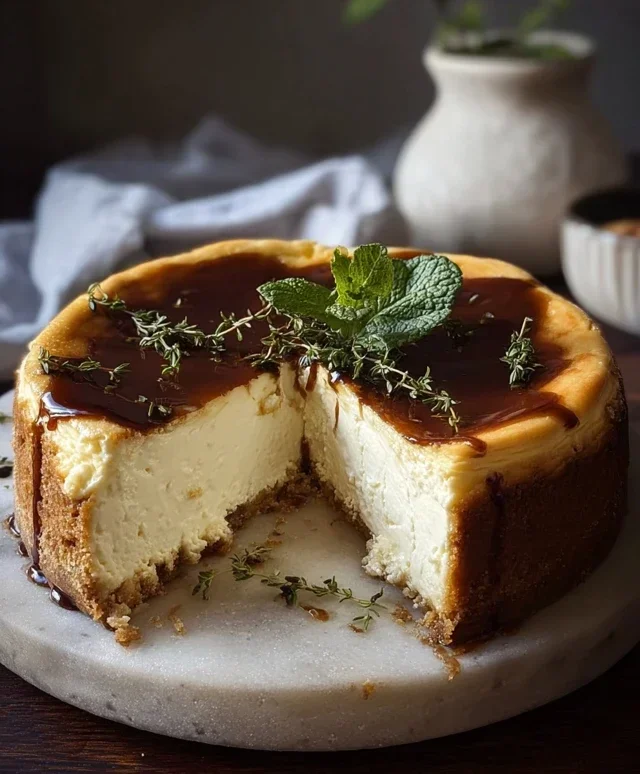
Feta Cheesecake. Forget everything you thought you knew about cheesecake. This isn’t your grandmother’s overly sweet, dessert-only indulgence. We’re diving into a surprisingly sophisticated and utterly addictive world of savory-sweet delight that’s guaranteed to impress. Imagin extracte a silken, creamy texture that melts in your mouth, followed by that unmistakable salty tang of feta cheese. It’s this brilliant contrast, the perfect marriage of rich, comforting cheesecake with the briny, distinct character of feta, that makes this dish so uniquely craveable. Whether served as an appetizer alongside a crisp salad, as a unique side dish, or even as a lighter alternative to traditional cheesecake for brunch, this Feta Cheesecake offers a flavor profile that’s both familiar and excitingly new. Prepare to be amazed by how this star ingredient transforms a classic into something truly extraordinary.
Feta Cheesecake
This Feta Cheesecake recipe is a delightful departure from the ordinary. It’s a savory sensation that perfectly balances the creamy tang of traditional cheesecake with the salty, crum extractbly goodness of feta cheese. I first discovered this recipe when I was looking for a unique appetizer for a dinner party, and it was an instant hit. The subtle herbaceous notes from fresh thyme and the bright hint of lemon zest elevate this cheesecake from merely delicious to truly extraordinary. It’s surprisingly easy to make, and the result is a sophisticated yet comforting dish that will impress your guests and have them beggin extractg for the recipe.
Ingredients:
Cooking Instructions:
Let’s get started on this incredibly flavorful Feta Cheesecake. The first step is all about creating that perfect foundation for our cheesecake.
1. Preparing the Crust:
Begin extract by preheating your oven to 350 degrees Fahrenheit (175 degrees Celsius). This is crucial for achieving an evenly baked crust. In a medium bowl, combine the grabeef ham cracker crum extractbs and the melted butter. Mix them thoroughly until the crum extractbs are completely moistened by the butter, resembling wet sand. This ensures the crust will hold together nicely. Press this mixture evenly into the bottom and slightly up the sides of a 9-inch springform pan. A springform pan is ideal here because it allows you to easily release the cheesecake without damagin extractg its delicate structure. Use the bottom of a glass or a measuring cup to press the crum extractbs down firmly. This compaction is key to a sturdy crust that won’t crum extractble when you slice the cheesecake. Once pressed, place the pan on a baking sheet – this will catch any potential drips and make it easier to handle.
2. Creating the Creamy Filling:
Now for the star of the show: the cheesecake filling. In a large mixing bowl, beat the softened cream cheese until it’s smooth and creamy. It’s important that your cream cheese is truly softened, at room temperature, to avoid any lumps. You can achieve this by leaving it out on the counter for about an hour, or by gently microwaving it for short intervals (15-20 seconds at a time), being careful not to melt it. Next, add the crum extractbled feta cheese to the cream cheese and mix until just combined. You want some small pieces of feta to remain visible, as these will provide delightful bursts of salty flavor throughout the cheesecake.
3. Incorporating the Flavor and Texture Enhancers:
To the cream cheese and feta mixture, add the sour cream, honey, lemon zest, and chopped fresh thyme. The sour cream adds a lovely tang and extra creaminess, while the honey provides a subtle sweetness that beautifully complements the savory feta. The lemon zest brightens everything up, and the thyme adds an earthy, aromatic dimension that is truly special. Mix these ingredients until they are just incorporated. Be careful not to overmix at this stage, as overmixing can introduce too much air, which can lead to cracks in your cheesecake. Season generously with salt and pepper to taste. Remember that feta is already salty, so taste as you go and adjust accordingly.
4. Binding the Filling:
Finally, it’s time to add the eggs. Add them one at a time, beating on low speed until each egg is just incorporated before adding the next. Again, avoid overmixing. Overbeating the eggs can incorporate too much air, which can cause the cheesecake to puff up too much during baking and then collapse and crack as it cools. You’re looking for a smooth, homogenous batter at this point. The batter should be thick but pourable.
5. Baking the Feta Cheesecake to Perfection:
Pour the filling evenly over the prepared crust in the springform pan. Gently tap the pan on the counter a couple of times to release any large air bubbles. To ensure even baking and prevent cracking, we’ll use a water bath. Wrap the bottom and sides of your springform pan securely with a couple of layers of heavy-duty aluminum foil. Place the foil-wrapped pan inside a larger baking pan, such as a roasting pan. Carefully pour hot water into the larger pan, ensuring it comes about halfway up the sides of the springform pan. This creates a humid environment that helps the cheesecake bake gently and evenly. Bake in the preheated oven for 50-60 minutes, or until the edges are set and slightly puffed, and the center is still slightly jiggly when you gently shake the pan.
6. Cooling and Chilling for the Best Texture:
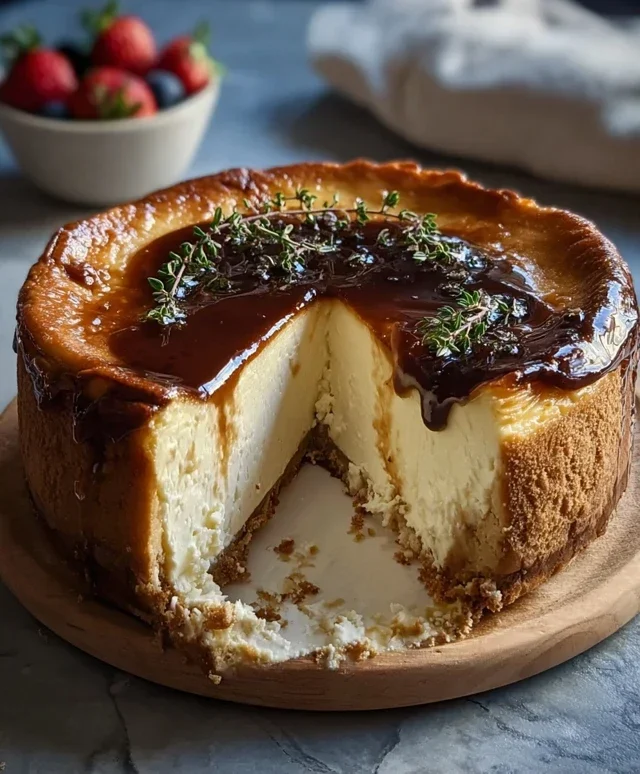
Once baked, turn off the oven and crack the oven door open slightly. Let the cheesecake cool in the oven for another hour. This gradual cooling process is essential for preventing cracks. After the hour in the oven, remove the cheesecake from the water bath and place it on a wire rack to cool completely to room temperature. Once at room temperature, cover the cheesecake tightly with plastic wrap and refrigerate for at least 4 hours, or preferably overnight. This chilling period is crucial for the cheesecake to set properly and for the flavors to meld. When ready to serve, carefully run a thin knife around the edge of the pan before releasing the springform side. Garnish with a sprinkle of fresh thyme and a drizzle of honey, if desired. Enjoy this unique and delicious Feta Cheesecake!
Conclusion:
I hope you’re as excited to try this Feta Cheesecake as I am to have shared it! This recipe truly offers a delightful departure from the everyday, blending the creamy, luxurious texture of traditional cheesecake with the savory, tangy punch of feta cheese. It’s a surprisingly harmonious combination that makes for an unforgettable dessert – or even a show-stopping appetizer. The ease of preparation means you can impress your guests without spending hours in the kitchen, making it a perfect choice for any occasion.
Serving this Feta Cheesecake is an adventure in itself. It’s wonderful on its own, showcasing its unique flavor profile. For a touch of sweetness, a drizzle of honey or a balsamic glaze is divine. It also pairs beautifully with fresh figs or a simple arugula salad for a balanced contrast.
If you’re feeling adventurous, consider variations! Add a sprinkle of fresh herbs like thyme or rosemary to the batter, or top with toasted walnuts or pistachios for added crunch. You could even experiment with different types of feta for subtle flavor shifts. I truly encourage you to give this Feta Cheesecake a go; it’s a recipe that’s sure to become a favorite in your repertoire.
Frequently Asked Questions:
Can I make this Feta Cheesecake ahead of time?
Absolutely! Feta Cheesecake benefits from chilling. I recommend making it a day in advance to allow the flavors to meld and the texture to set perfectly. Cover it tightly with plastic wrap once cooled.
Is the Feta Cheesecake very salty?
While feta is a salty cheese, its saltiness is balanced by the sweetness of the cream cheese and sugar in this recipe. If you are particularly sensitive to salt, you can opt for a milder feta or rinse it briefly before using. The overall flavor is savory-sweet, not overwhelmingly salty.
What kind of crust works best with Feta Cheesecake?
A simple grabeef ham cracker crust is a classic choice and works wonderfully. For something a little different, a crushed pretzel crust can add a delightful salty-sweet crunch that complements the feta beautifully.
Feta Cheesecake
A savory cheesecake featuring the tangy flavors of feta cheese, complemented by the sweetness of honey and the herbaceous notes of thyme.
Ingredients
-
1 ½ cups graham cracker crumbs
-
½ cup melted butter
-
16 oz cream cheese, softened
-
8 oz feta cheese, crumbled
-
½ cup sour cream
-
3 large eggs
-
2 tbsp honey
-
1 tsp lemon zest
-
1 tbsp fresh thyme, chopped
-
Salt and pepper to taste
Instructions
-
Step 1
Preheat oven to 350°F (175°C). Line a 9-inch springform pan with parchment paper. -
Step 2
In a bowl, combine graham cracker crumbs and melted butter. Press mixture evenly into the bottom of the prepared springform pan. -
Step 3
In a separate large bowl, beat together the softened cream cheese and crumbled feta cheese until smooth. -
Step 4
Beat in the sour cream, then gradually add the eggs one at a time, mixing well after each addition. -
Step 5
Stir in the honey, lemon zest, and chopped fresh thyme. Season with salt and pepper to taste. -
Step 6
Pour the cheesecake filling over the graham cracker crust. -
Step 7
Bake for 50-60 minutes, or until the edges are set and the center is slightly jiggly. -
Step 8
Let the cheesecake cool in the pan on a wire rack for 10 minutes before running a knife around the edge and releasing the springform. Chill thoroughly before serving.
Important Information
Nutrition Facts (Per Serving)
It is important to consider this information as approximate and not to use it as definitive health advice.
Allergy Information
Please check ingredients for potential allergens and consult a health professional if in doubt.