Classic Tiramisu Recipe – The BEST Italian Dessert
BEST Classic Italian Tiramisu Recipe – isn’t that a phrase that instantly conjures up images of creamy, dreamy indulgence? We’ve all been there, eyes widening as a perfectly presented slice of this iconic dessert arrives at the table. There’s a reason why Tiramisu holds such a special place in our hearts and on dessert menus worldwide. It’s a symphony of textures and flavors: the slight bitterness of coffee, the rich sweetness of mascarpone, the delicate crunch of ladyfingers, all brought together in a harmonious, melt-in-your-mouth experience. What makes this BEST Classic Italian Tiramisu Recipe truly stand out is its simplicity, allowing each high-quality ingredient to shine. Forget overly complicated steps; this recipe focuses on achieving that authentic, luxurious taste that has captivated dessert lovers for generations. Prepare to impress yourself and your loved ones with this truly unforgettable treat.
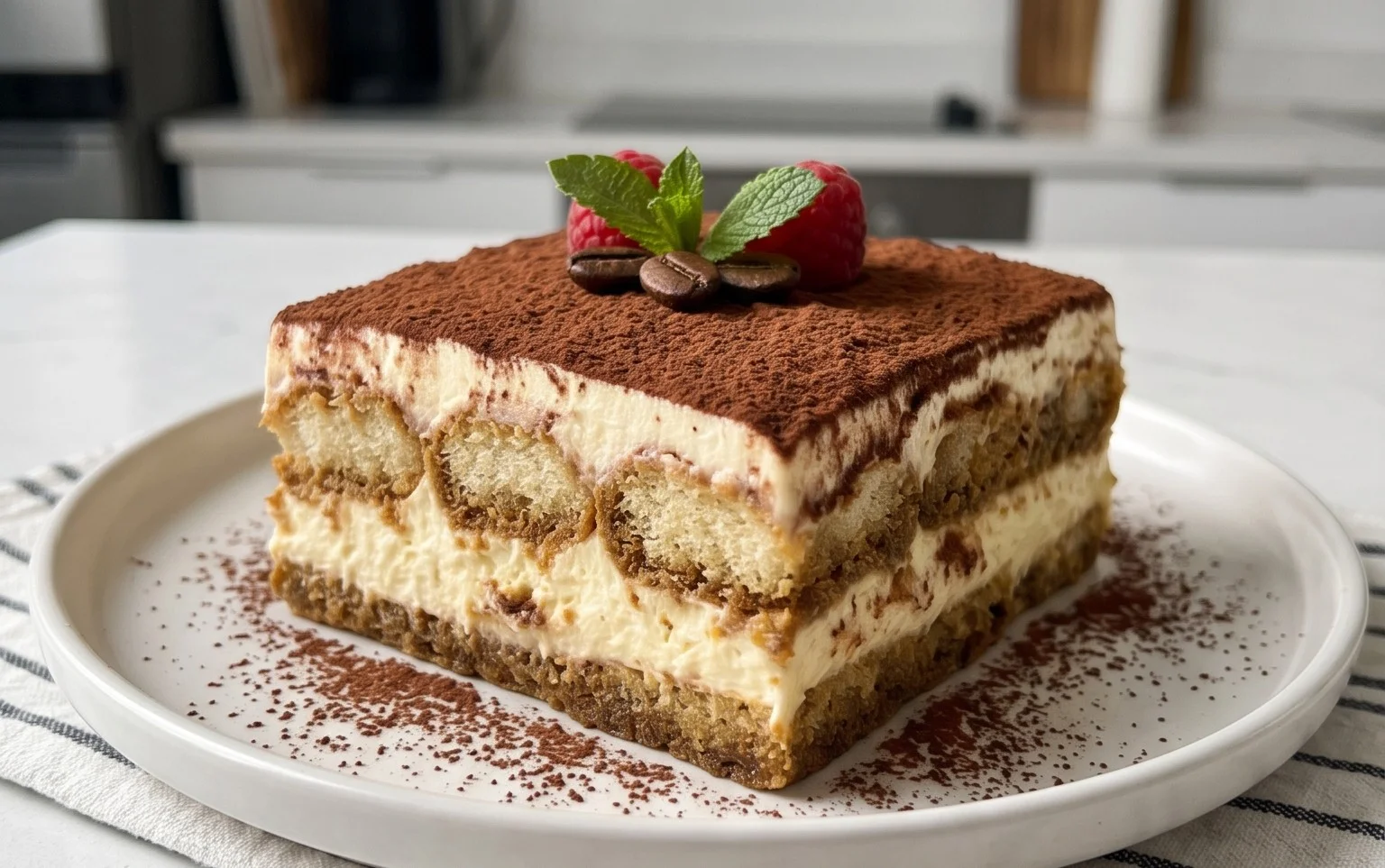
The BEST Classic Italian Tiramisu Recipe
Ah, Tiramisu! The very name evokes images of silky mascarpone, coffee-soaked ladyfingers, and a dusting of cocoa that whispers of indulgence. This isn’t just a dessert; it’s an experience, a little slice of Italian heaven that’s surprisingly achievable in your own kitchen. Forget those watery, insipid versions you might have encountered. Today, we’re diving deep into the heart of what makes a Tiramisu truly sublime: a rich, creamy, and perfectly balanced symphony of flavors and textures.
This recipe focuses on the classic, elegant approach, using raw egg yolks for that characteristic velvety smoothness. If you have concerns about raw eggs, I’ll offer a note on an alternative later, but for the purist, this is the way to go. The key to success lies in quality ingredients and a little bit of patience. So, gather your apron and let’s create a Tiramisu that will have everyone asking for your secret!
Ingredients:
Crafting the Creamy Heart
This is where the magic truly happens. The mascarpone cream is the soul of our Tiramisu, and we want it to be utterly luxurious.
First, we prepare our mascarpone base. In a medium bowl, whisk together the 4 egg yolks, 2/3 cup of granulated sugar (if using egg whites, separate this into two 1/3 cup portions – one for the yolks, one for the whites), and 1/4 teaspoon of salt. You’re aiming for a pnon-alcoholic ale yellow mixture that’s slightly thickened. You can do this with a hand whisk, but an electric mixer on medium speed will make it quicker and more efficient, achieving a ribbon-like consistency where the mixture falls from the whisk in a thick stream. This step, often called making a ‘sabayon’ or ‘zabaione’ in Italian cooking, gently cooks the egg yolks with the sugar, creating a beautiful base.
Now, introduce the star of the show: the cold mascarpone cheese. Add the 16 ounces of cold mascarpone cheese to the egg yolk mixture. Using a spatula or an electric mixer on low speed, gently fold or mix until just combined. Be careful not to overmix at this stage, as it can cause the mascarpone to become grainy or split. We want a smooth, cohesive, and incredibly rich cream. Stir in the 1 teaspoon of vanilla extract for that delightful aroma and subtle flavor enhancement. Set this beautiful mixture aside.
Here comes the crucial decision for texture: heavy cream or egg whites. For the silkiest, most decadent result, I highly recommend using the 1 1/2 cups of chilled heavy cream. In a separate, clean bowl, whip the heavy cream until stiff peaks form. This means when you lift the whisk or beaters, the cream holds its shape firmly. Be vigilant; it’s easy to over-whip cream into butter. Once you have your whipped cream, gently fold it into the mascarpone mixture in two or three additions. Use a spatula and a light hand, incorporating the cream without deflating the airy volume you’ve just created. This step is key to achieving that signature lightness in your Tiramisu.
Alternatively, if you prefer to use egg whites for a lighter, less rich texture, whip the 4 egg whites with the second portion of 1/3 cup sugar until stiff, glossy peaks form. Ensure your bowl and whisk are impeccably clean, as any grease can prevent the egg whites from whipping properly. Then, gently fold these whipped egg whites into the mascarpone mixture, just as you would with the whipped cream. The result will be a lighter, more mousse-like cream.
Prepare your coffee. Ensure you have 1 1/2 cups of strong black coffee brewed and cooled to room temperature. It’s important that the coffee is not hot, as hot liquid will make your ladyfingers disintegrate into mush. You can add a tablespoon of coffee liqueur extract (like Kahlúa or Tia Maria) or a shot of espresso to the coffee for an extra kick, if you desire. Pour this into a shallow dish or bowl that’s wide enough to dip your ladyfingers.
Assembly time! This is where your Tiramisu starts to take shape. Working one by one, quickly dip each ladyfinger into the room-temperature coffee. Don’t let them soak for too long – just a swift dip on each side. They should absorb some of the coffee but still hold their shape. Arrange a single layer of these coffee-dipped ladyfingers in the bottom of your serving dish, fitting them together snugly. You might need to break a few to fill any gaps.
Once your first layer of ladyfingers is in place, generously spoon half of your mascarpone cream mixture over them, spreading it evenly to cover the entire surface. Ensure all the ladyfingers are well-covered.
Repeat the process: dip another batch of ladyfingers in coffee and arrange them on top of the mascarpone layer. Then, spread the remaining half of the mascarpone cream over this second layer of ladyfingers, creating a smooth, even top.
The final touch before chilling: dust the entire surface of the Tiramisu generously with 2 tablespoons of cocoa powder. Use a fine-mesh sieve to ensure an even, beautiful coating that resembles the dark earth of Italy.
Cover your Tiramisu tightly with plastic wrap, pressing it gently onto the surface of the cream to prevent a skin from forming. Refrigerate for at least 4-6 hours, but ideally overnight. This chilling period is crucial; it allows the flavors to meld and the dessert to set, transforming it into that perfect, sliceable delight. The longer it chills, the more the ladyfingers will soften and absorb the creamy goodness.
Enjoy this timeless classic, a testament to simple ingredients creating extraordinary flavors. Buon appetito!
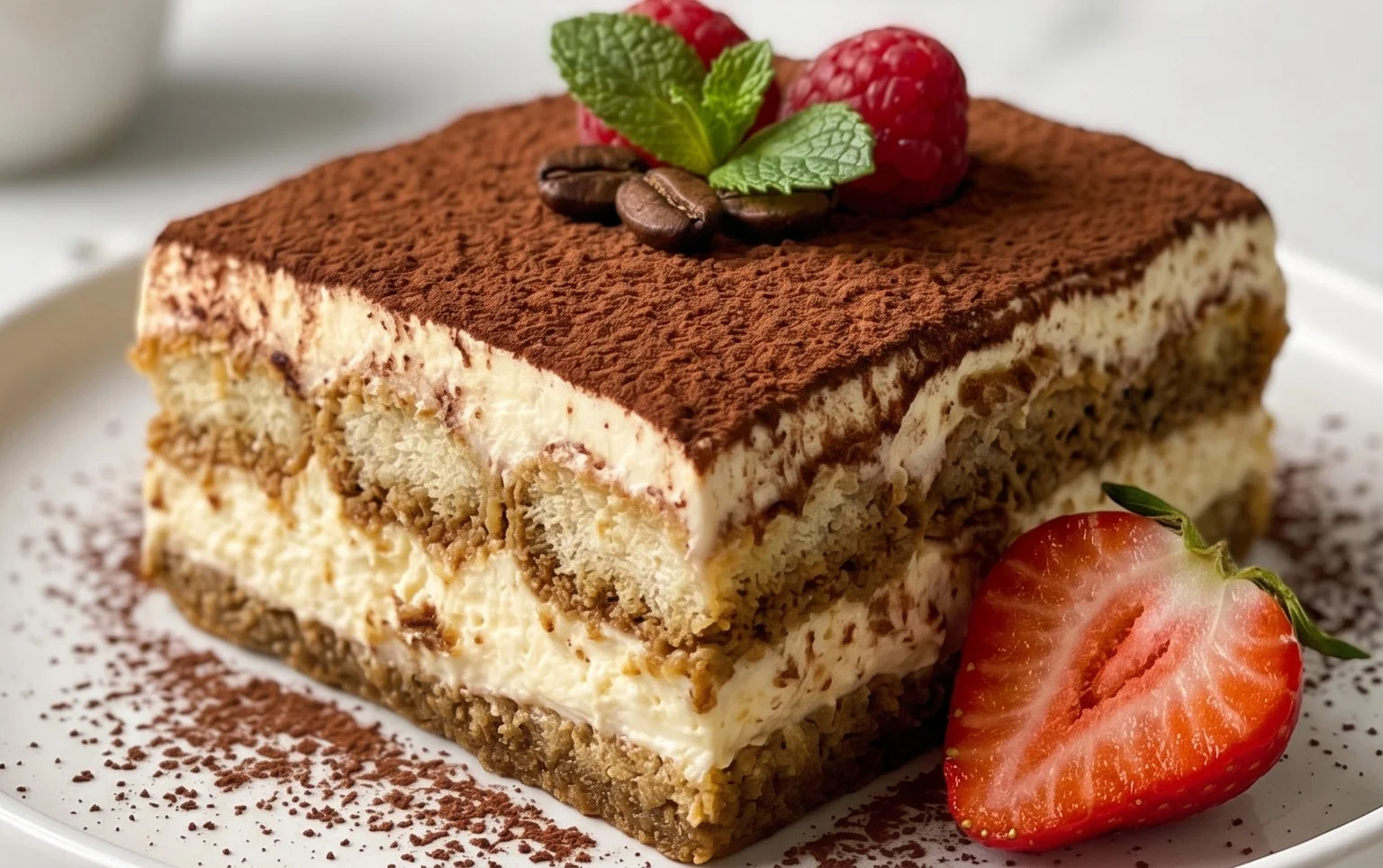
Conclusion:
You’ve now unlocked the secret to creating the BEST Classic Italian Tiramisu recipe! What makes this recipe truly special is its commitment to authentic flavors and textures. The perfect balance of creamy mascarpone, robust coffee-soaked ladyfingers, and a hint of cocoa creates an irresistible dessert that is both elegant and comforting. It’s a labor of love, but every spoonful is a reward, and the result is a dessert that will impress even the most discerning palate.
For serving, I love to present this tiramisu in individual ramekins for a beautiful presentation, or as a whole, dusted generously with cocoa just before serving. It pairs wonderfully with a strong espresso or a sweet dessert grape juice. Don’t be afraid to experiment with variations either! You could add a splash of marsala grape juice or rum extract to your coffee for an extra kick, or even incorporate a layer of fresh berries for a fruity twist. I truly encourage you to give this recipe a try; it’s a wonderfully rewarding baking experience and a guaranteed crowd-pleaser.
Frequently Asked Questions:
Can I make this Tiramisu ahead of time?
Absolutely! Tiramisu is best made at least 4-6 hours in advance, or even the day before. This allows the flavors to meld beautifully and the ladyfingers to soften perfectly, resulting in that signature creamy texture.
What kind of coffee should I use?
Strong brewed coffee is essential for a classic tiramisu. Espresso is ideal, but a very strong dark roast coffee will also work wonderfully. Ensure it’s cooled before dipping your ladyfingers.
What if I can’t find mascarpone cheese?
While mascarpone is key to the authentic flavor, you can substitute it with a mixture of cream cheese and heavy whipping cream. For every 8 ounces of mascarpone, use 6 ounces of softened cream cheese mixed with 2 ounces of heavy whipping cream, whipped until stiff peaks form. The texture might be slightly different, but it will still be delicious!
BEST Classic Italian Tiramisu Recipe
A classic and authentic Italian Tiramisu recipe, featuring layers of coffee-soaked ladyfingers and a rich mascarpone cream. This no-bake dessert is a crowd-pleaser and surprisingly easy to make.
Ingredients
-
16 oz Mascarpone cheese, cold from the fridge
-
4 egg yolks
-
2/3 cup granulated or caster sugar
-
1 tsp vanilla
-
1/4 tsp salt
-
1 1/2 cup heavy cream, chilled
-
30-36 ladyfingers
-
1 1/2 cup strong black coffee, room temperature
-
2 tbsp cocoa powder to dust
Instructions
-
Step 1
In a large bowl, whisk together the egg yolks and 2/3 cup granulated sugar until pale yellow and slightly thickened. -
Step 2
Gently fold in the cold mascarpone cheese until just combined and smooth. Be careful not to overmix. -
Step 3
In a separate bowl, whip the chilled heavy cream with the vanilla and salt until stiff peaks form. -
Step 4
Gently fold the whipped cream into the mascarpone mixture until fully incorporated. -
Step 5
Quickly dip each ladyfinger into the room-temperature coffee, ensuring they are moistened but not soggy. Arrange a single layer of soaked ladyfingers in the bottom of a serving dish. -
Step 6
Spread half of the mascarpone mixture evenly over the ladyfingers. Repeat with another layer of coffee-soaked ladyfingers and the remaining mascarpone mixture. -
Step 7
Cover the dish with plastic wrap and refrigerate for at least 4 hours, or preferably overnight, to allow the flavors to meld and the dessert to set. -
Step 8
Before serving, dust the top generously with cocoa powder.
Important Information
Nutrition Facts (Per Serving)
It is important to consider this information as approximate and not to use it as definitive health advice.
Allergy Information
Please check ingredients for potential allergens and consult a health professional if in doubt.