Spicy Potato Noodles – Easy & Flavorful Recipe
Spicy potato noodles are more than just a meal; they’re an experience! If you’re craving something that hits all the right notes – savory, spicy, satisfying, and utterly comforting – then you’ve come to the right place. I’ve always been drawn to dishes that pack a flavorful punch, and these spicy potato noodles deliver in spades. They’re the kind of dish that makes you close your eyes with the first bite, a symphony of textures and tastes that dance on your palate. What makes this recipe so special is its incredible versatility and the way it transforms humble ingredients into something truly extraordinary. Whether you’re a seasoned cook or just starting out, this dish is surprisingly approachable and incredibly rewarding. Get ready to discover your new favorite go-to for a truly memorable meal.
Why You’ll Adore This Dish:
The Perfect Balance of Heat and Heartiness
These aren’t your average noodles. The starchiness of the potatoes creates a wonderfully chewy texture that soaks up every drop of the vibrant, fiery sauce. It’s a dish that truly warms you from the inside out, making it perfect for a cozy night in or a lively gathering with friends. The depth of flavor is incredible, hinting at secret ingredients but relying on simple, accessible components. You’ll find yourself coming back to this recipe again and again.
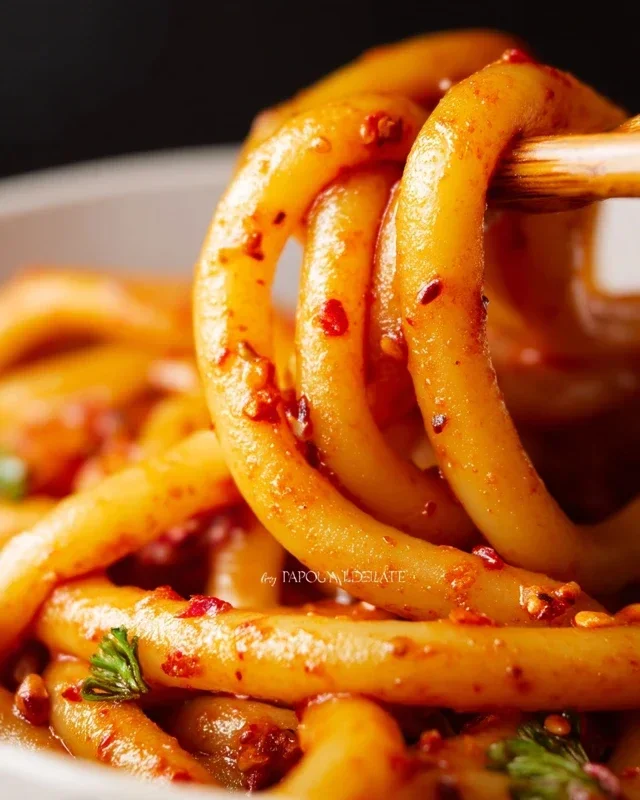
Spicy Potato Noodles
There’s something incredibly comforting about a bowl of noodles, and for those who crave a bit of heat and a wonderfully chewy texture, these Spicy Potato Noodles are an absolute revelation. Forget your standard wheat-based pasta; these noodles are crafted from the humble potato, yielding a delightful bite that soaks up flavor like a dream. This recipe is surprisingly straightforward, making it perfect for a weeknight dinner or a weekend project that’s guaranteed to impress. The magic lies in the texture of the potato starch noodles and the vibrant, punchy sauce that coats them. Let’s get cooking!
Ingredients:
Making the Potato Noodles
The foundation of this dish is the potato noodle itself. Don’t be intimidated; it’s a simple process that yields incredibly satisfying results.
1. Begin extract by preparing your potatoes. Peel them and then cut them into roughly 1-inch pieces. It’s important that the pieces are relatively uniform in size so they cook evenly. Place the potato pieces in a pot and cover them with cold water. Add the ½ teaspoon of salt to the water – this will help to season the potatoes from the inside out as they boil. Bring the water to a boil over medium-high heat and cook the potatoes until they are fork-tender. This usually takes about 15-20 minutes, depending on the size of your potato pieces. You should be able to easily pierce a potato piece with a fork without resistance.
2. Once the potatoes are tender, drain them thoroughly. It’s crucial to remove as much excess water as possible. Return the drained potatoes to the hot, empty pot for about 1-2 minutes over low heat. This step helps to evaporate any remaining moisture, which is key to achieving the right noodle texture. Mash the potatoes directly in the pot using a potato masher or a sturdy fork until they are very smooth and free of lumps. You want a consistent mashed potato consistency.
3. Now it’s time to introduce the potato starch. Add the 1½ cups of potato starch to the mashed potatoes. This is where the magic of the noodle texture begin extracts to form. Start mixing the starch into the potatoes. It will seem like a lot of starch at first, and the mixture will be quite crum extractbly. Gradually add the ½ cup of warm water to the mixture, continuing to mix and knead with your hands (be careful, it might still be warm!). Knead the dough for about 5-7 minutes until it becomes smooth, elastic, and no longer sticky. The dough should feel pliable and have a slightly glossy appearance. If the dough feels too dry and is not coming together, add a teaspoon of warm water at a time until it reaches the desired consistency. If it’s too sticky, add a tablespoon of potato starch.
4. To shape the noodles, you have a couple of options. The most traditional method is to roll the dough into long ropes, about ½ inch in diameter, on a lightly floured surface (use potato starch for dusting). Then, cut these ropes into 4-6 inch lengths. Alternatively, you can take small pieces of dough and roll them into ropes directly. The key is to keep them relatively uniform for even cooking. As you shape the noodles, place them on a parchment-lined baking sheet dusted with a little potato starch to prevent them from sticking to each other.
Cooking the Noodles and Building the Flavor
With our beautiful potato noodles ready, let’s move on to creating that irresistible spicy sauce.
5. Bring a large pot of water to a rolling boil. Carefully add the prepared potato noodles to the boiling water. Stir gently to prevent them from sticking. Cook the noodles for about 3-5 minutes, or until they float to the surface and are tender but still have a pleasant chew. They will be slightly translucent when they are cooked through. Once cooked, drain the noodles immediately and set them aside. It’s a good idea to rinse them briefly under cool water to stop the cooking process and prevent them from clumping together.
Assembling the Spicy Sauce
While the noodles are boiling or after they’ve been drained, it’s time to whip up the flavorful sauce that will bring everything together. In a medium bowl, combine the 2 tablespoons of regular soy sauce, 2 tablespoons of Chinese black vinegar, 2 tablespoons of gochugaru (adjust this to your spice preference – if you’re sensitive to heat, start with 1 tablespoon), 1¼ teaspoons of granulated sugar, and the ⅛ teaspoon of salt. Whisk these ingredients together until the sugar and salt are dissolved. This sauce is the heart of the dish, offering a balance of savory, tangy, and spicy notes.
Stir-Frying for Maximum Flavor
The final step is to bring it all together in a flavorful stir-fry.
1. Heat the 3 tablespoons of neutral oil in a large skillet or wok over medium-high heat until shimmering. Add the minced garlic and stir-fry for about 30 seconds until fragrant. Be careful not to burn the garlic.
2. Add the drained potato noodles to the skillet with the garlic. Pour the prepared spicy sauce over the noodles. Toss everything together thoroughly, ensuring each noodle is coated in the sauce. Cook for another 2-3 minutes, stirring constantly, allowing the sauce to thicken slightly and adhere to the noodles.
3. Just before serving, add the sliced green onion and the roughly chopped cilantro to the skillet. Toss for another minute until the green onions are slightly wilted and the cilantro is fragrant.
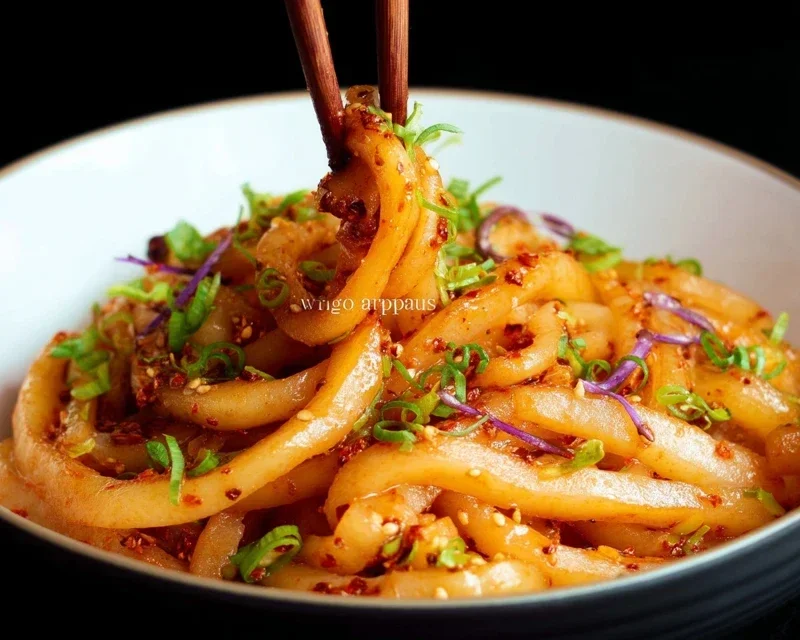
Serve your Spicy Potato Noodles immediately. The contrast between the chewy noodles, the vibrant spicy sauce, and the fresh garnishes is simply divine. Enjoy every slurp!
Conclusion:
I hope you’re feeling inspired to get into the kitchen and whip up a batch of these delicious spicy potato noodles! This recipe truly stands out because of its incredible versatility and the satisfying depth of flavor it offers. The tender potato noodles, coated in a vibrant, fiery sauce, create a truly addictive dish that’s both comforting and exciting. It’s the perfect weeknight meal that feels special enough for guests, and it’s surprisingly simple to prepare. Don’t be intimidated by the spice; it’s wonderfully adjustable to your personal preference, making it accessible for everyone.
For serving, I love to pair these spicy potato noodles with some crisp, steamed greens like bok choy or gai lan. A sprinkle of toasted sesame seeds and some thinly sliced scallions adds a lovely textural contrast and a fresh finish. If you’re feeling adventurous, consider adding some pan-fried tofu or shredded chicken for extra protein. Don’t hesitate to experiment with variations! You could add a splash of soy sauce for more umami, a pinch of sugar to balance the heat, or even some finely chopped peanuts for an extra crunch. I genuinely encourage you to give this recipe a try – you might just find your new favorite go-to dish!
Frequently Asked Questions:
Can I make these spicy potato noodles less spicy?
Absolutely! The heat in this recipe comes primarily from the chili flakes and chili oil. To make them less spicy, simply reduce the amount of chili flakes you add. You can also opt for a milder chili oil or omit it altogether and rely on other aromatics like garlic and gin extractger for flavor.
What kind of potatoes are best for the noodles?
For the best texture and flavor, I recommend using starchy potatoes like Russets or Yukon Golds. These potatoes break down nicely when boiled, creating a tender yet firm noodle that absorbs the sauce beautifully. Waxy potatoes might result in a firmer, less yielding noodle.
Can I make the sauce ahead of time?
Yes, you can definitely prepare the sauce for your spicy potato noodles in advance. Store it in an airtight container in the refrigerator for up to 2-3 days. When you’re ready to serve, simply cook your potato noodles and toss them with the pre-made sauce. You might need to gently reheat the sauce before combining.
Spicy Potato Noodles
Chewy and satisfying potato noodles tossed in a vibrant, spicy sauce.
Ingredients
-
1.1 pounds russet potato (peeled and cut into 1 inch pieces)
-
½ teaspoon salt
-
1½ cup potato starch
-
½ cup water (warm)
-
2 tablespoons regular soy sauce
-
2 tablespoons Chinese black vinegar
-
2 tablespoons gochugaru (coarse)
-
1¼ teaspoons granulated sugar
-
⅛ teaspoon salt
-
2 tablespoons garlic (minced)
-
1 stalk green onion (sliced)
-
3 tablespoons oil
-
⅓ cup cilantro (roughly chopped)
Instructions
-
Step 1
Boil the potato pieces in water with ½ teaspoon salt until very tender. Drain well and mash or riced them thoroughly. -
Step 2
In a bowl, combine the mashed potato with potato starch and ½ cup warm water. Mix until a cohesive dough forms. -
Step 3
Knead the dough for a few minutes until smooth. Divide the dough into portions and roll each portion into a rope about ½ inch thick. -
Step 4
Cut the ropes into noodle-like pieces, about 4-6 inches long. You can also press the dough through a noodle maker or a potato ricer for different textures. -
Step 5
In a small bowl, whisk together soy sauce, Chinese black vinegar, gochugaru, granulated sugar, ⅛ teaspoon salt, and minced garlic. -
Step 6
Boil the potato noodles in a large pot of water until they float to the surface and are cooked through (about 3-5 minutes). Drain. -
Step 7
Heat the oil in a large skillet over medium-high heat. Add the sliced green onion and sauté for 30 seconds until fragrant. -
Step 8
Add the drained potato noodles and the prepared sauce to the skillet. Toss well to coat the noodles evenly. -
Step 9
Cook for another 1-2 minutes, stirring constantly, until the sauce has thickened slightly and coated the noodles. Stir in the chopped cilantro just before serving.
Important Information
Nutrition Facts (Per Serving)
It is important to consider this information as approximate and not to use it as definitive health advice.
Allergy Information
Please check ingredients for potential allergens and consult a health professional if in doubt.